Catch The Trade Winds

  • About
  • Gallery Argentina
    • Buenos Aires – Belgrano
    • Chascomús – Estancia La Juanita
    • Puerto Madryn – Punta Tombo
    • Puerto Madryn – Peninsula Valdez
    • Ushuaia – Glaciar Martial
    • Ushuaia – Cerro Guanaco
    • Perito Moreno Glacier – Big Ice Expedition
    • El Chaltén – Fitz Roy Trekking
    • Ruta de los Siete Lagos
  • Gallery Chile
    • Puerto Natales – Torres del Paine
  • Gallery New Zealand
    • Rotorua – Wai-O-Tapu
    • Queen Charlotte Track
    • Abel Tasman National Park
    • South Island – West Coast Northern Part
    • South Island – West Coast Southern Part
    • Routeburn Track
    • Kepler Track
    • Milford Sound
    • Stewart Island – Kiwi
    • Stewart Island – Rakiura Track
    • Tongariro National Park
    • Taupo – Waikato Jet Boat
    • Auckland – Sky Tower
  • Gallery Australia
    • Sydney – Impressions
    • New South Wales – South Coast
    • New South Wales – Blue Mountains & Jenolan Caves

Torres del Pain(e) Trekking – Nomen est omen

Posted by lightcyter on February 17, 2013
Posted in: Chile, Deutsch, English. Leave a comment

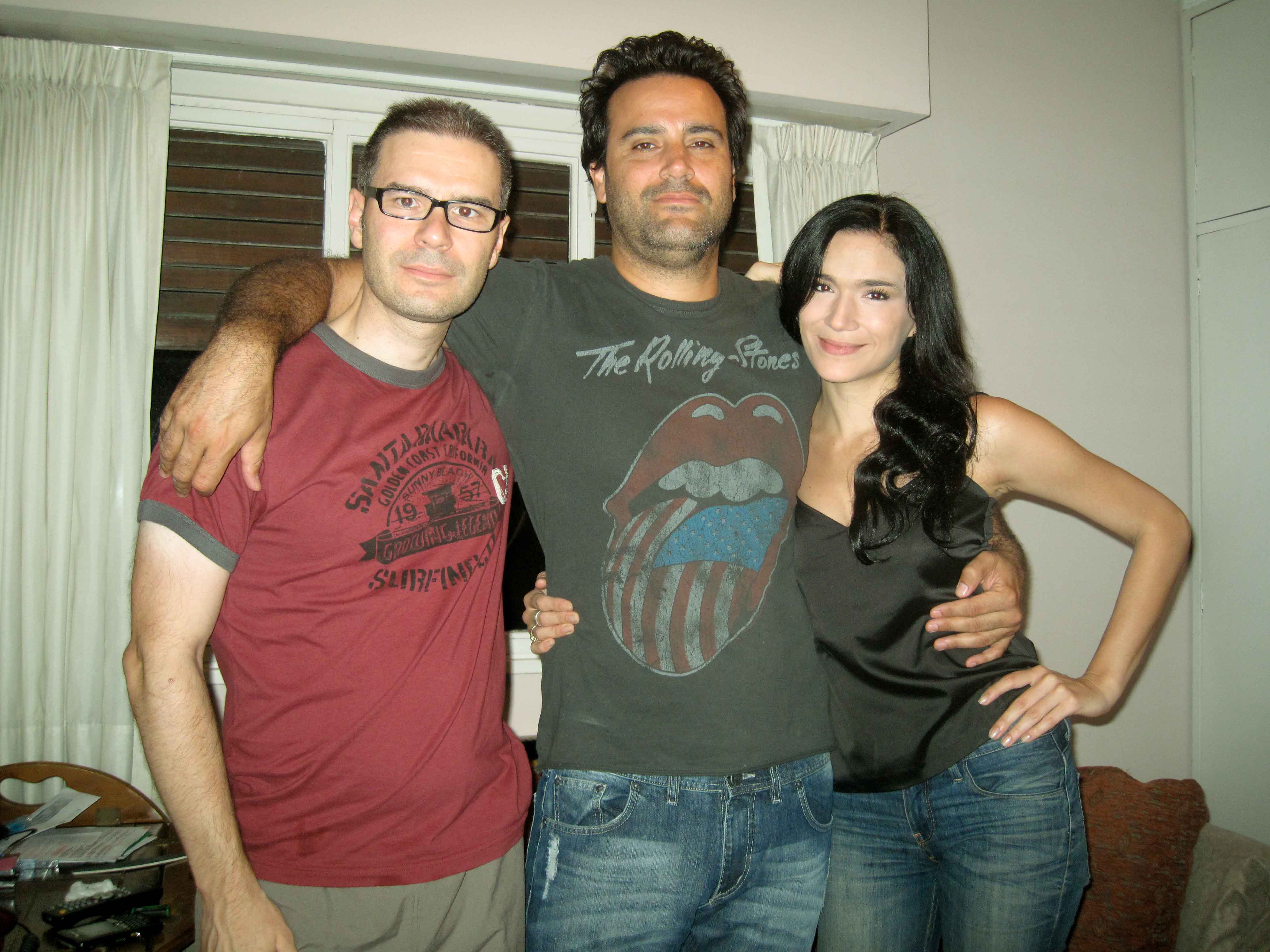
Nach dem lockeren Einlaufen in Ushuaia ging es nun in Chile endlich richtig los mit dem Trekking. Von der Basis in Puerto Natales aus sind wir zu einer 5-Tagestour im Torres del Paine Nationalpark aufgebrochen und haben den sog. W-Trail gemacht. Der Name kommt daher, dass die Route auf der Karte entfernt aussieht wie ein grosses W (und natürlich muss es auch marketingtechnisch gut klingen…). Wir das sind Inbal, Maya und ich. Die beiden habe ich im Base Camp in Puerto Natales getroffen (so heisst die Beiz – nicht das ihr meint ich sei grössenwahnsinnig geworden) und wir sind gemeinsam auf den Trek wobei sich Maya dann nach Tag 1 für die Abkürzung mit dem Catamaran entschieden hat. Der gesamte Trail ist ca. 80 km lang und der berühmteste Trail des Torres del Paine Nationalparks. Entsprechend viele Leute gehen dieses Route und trotzdem trifft man während des Tages meist nur in der Nähe derjenigen Campingplätze, die per Catamaran oder Bus erreichbar sind, mehr als eine Handvoll Wanderer – die sog. Day Hiker oder auch Weicheier…Wir haben natürlich Proviant, Kleidung und Campingausrüstung für die gesamte Tour mitgenommen – die sog. Maulesel oder auch Idioten 🙂 Die Wege sind meist gut markiert und die Tour ist mittelschwer – pro Tag sind wir zwischen 6-8 Stunden gelaufen. Das Problem ist eigentlich nur das Gewicht des Rucksacks – gefühlte 30 Kilo stehen effektiven 15-18 gegenüber (wobei ich mir beim Inbal’s Rucksack bzgl. dieses Unterschieds nicht so sicher war…). Ausserhalb der Tageswanderzonen ist man meist unter sich und kann die Natur ungestört geniessen. Die Wanderer, die ebenfalls den gesamten Trail machen, trifft man meist abends auf den Zeltplätzen wieder beim Kochen (und das waren dann mehrheitlich Israelis – unglaublich aber wahr, die Deutschen gehen richtig unter hier in Südamerika). Apropos Kochen: Nach 4 x Spaghetti Napoli zum z’Nacht und Haferschleim und zerquetschten Toastbrot zum z’Morge waren wir am Ende des Trails reif für einen ordentlichen Hamburger mit Pommes frites. Das war dann auch unsere erste Aktion nachdem wir am Trailende beim Luxushotel für die Weicheier angekommen waren: Ein Burger, Pommes und ein grosses Bier für 40 Stutz…aber gut war er trotzdem 🙂 Die Bilder der Wanderung findet ihr in der Gallery Chile.
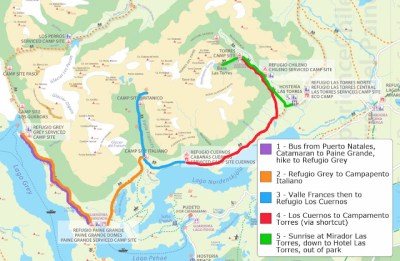
After the easy beginning with day hikes in Ushuaia the real trekking started in Chile. From the base in Puerto Natales we went on a 5-day tour in the Torres del Paine National Park and did the so called W-Trail. The name is derived from the shape of the trail on the map which looks like a capital W (and of course it’s a fancy name for marketing purposes as well…). We that’s Inbal, Maya and me. We meet at the Base Camp in Puerto Natales (that’s the name of a bar – don’t you think I’m getting crazy) and did the trail together although Maya decided to go the easy way via the Catamaran shortcut after day 1. The whole trail is about 80 km long and the most famous trail of the Torres del Paine National Park. That’s why a lot of people do this route in general. All the same you usually only meet lots of people close to those camp sites which are accessible by Catamaran or by bus – the so called Day Hikers or Softies…We for sure carried food, clothes and camping gear for the whole trip – the so called mules or idiots 🙂 Trails are usually well marked and the tour is of medium difficulty – we walked about 6-8 hours a day. The real  problem is the weight of the backpack – 30 kilos of felt weight compared to 15-18 kilos of effective weight (I’m not so sure about this difference in the case of Inbal’s backpack, tough…) Besides the day hike zones we were mostly on our ones and could enjoy the pure nature. The hikers doing the whole trail meet on the camp sites in the evening for cooking and eating  (and that’s mostly Israelis – hard to believe but the Germans are hard to find besides all the Israelis in South America). Regarding the cooking: After 4 times Spaghetti Napoli for dinner and Oatmeal or squashed bread for breakfast we were ready for a real burger and french fries at the end of the trail. And that was the first thing we did after we had arrived at the luxury hotel at the trial end: A burger, french fries and a beer for 40 US-dollars – but it was tasty anyways 🙂 Pictures of our Trekking can be found in the Gallery Chile.
 

Einlaufen in Ushuaia / Let’s start hiking

Posted by lightcyter on February 17, 2013
Posted in: Argentina, Deutsch, English. Leave a comment

Das Ende der Welt ist in Ushuaia. Weiter südlich liegt nur noch das Niemandsland der Antarktis mit ein paar Forschungsstationen. Die gehören zwar auch zu unserer Welt aber belassen wir’s mal bei der Interpretation der lokalen Tourismusindustrie weil’s so schön klingt: Ich bin also am Ende der Welt angekommen!!! Und ich bin in der Hauptstadt der Islas Malvinas angekommen. Die Inseln (auch bekannt unter dem Namen Falkland Inseln) gehören zwar eigentlich nicht zu Argentinien weil die Engländer vor 30 Jahren den Falkland-Krieg gewonnen haben aber das kümmert die Argentinier wenig: Überall in Ushuaia gibt’s Schilder der Art ‘Ushuaia – Capital de las Islas Malvinas’ z.B. auf dem Tourismusbüro, am Rathaus oder an der Grenze zu Chile (was besonders hübsch ist weil die Chilenen im Krieg damals den Briten geholfen haben…).

Politik interessiert mich hier aber weniger. Ich bin froh, endlich im ‘richtigen’ Patagonien angekommen zu sein (siehe auch Blog-Eintrag vom 7. Februar). Das Wetter ist rauh, es ist kalt, es stürmt und regnet – fantastisch! Also weg mit der Badehose und raus mit den 4 Schichten Winterkleidung! Und los geht’s mit dem Wandern in menschenleeren Gegenden und unberührter Natur. Ich habe mir für die nächsten Monate einige Trekkings vorgenommen, zum Einlaufen mache ich hier aber erst mal zwei einfache Tageswanderungen: Zuerst rauf auf den Glaciar Martial (825 MüM d.h. Ushuaia) und am nächsten Tag weil’s so schön war auf den Cerro Guanaco (950 MüM) – also insgesamt ca. 1700 Höhenmeter. Für einen Teil des Weges zum Glaciar Martial gäbe es zwar auch einen Sessellift aber ich laufe natürlich den ganzen Weg (einerseits zwecks Einlaufen, andererseits weil der technische Zustand des Sessellifts nicht mit meinen schweizerischen Sicherheitsansprüchen korrespondiert). Bilder findet ihr in der Gallery Argentina.

UshuaiaGlaciarMartial-2

Saladin: Nächstes Trainingslager in Ushuaia? Eisklettern kann man hier auch und Beizen hat’s definitiv genug

The end of the world is in Ushuaia. Further south there is only the no-man’s-land of Antarctica and a couple of research stations. Those also belong to our known world but let’s stick to the official interpretation of the local tourism industry because it sounds so nice: I’ve finally reached the end of the world!!! And I’ve also arrived in the capital of the Islas Malvinas (aka Falkland Islands). Officially, the islands do not belong to Argentina because England won the Falkland war some 30 years ago but Argentina doesn’t care about that: Everywhere here in Ushuaia there are signs saying ‘Ushuaia – Capital de las Malvinas’, i.e. at the local tourism office, at the town hall or at the border to Chile (which is especially nice because Chile helped the Britsh in the war back then…)

But I’m not really interested in politics down here. I’m happy that I’ve finally arrived in the ‘real’ Patagonia (also see Blog of February, 7th). Weather’s rough, it’s cold, stormy and rainy – fantastic! So, say good-bye to swimming trunks and hello to 4 layers of winter clothes again! And here we go with walking in lonely landscapes and pristine nature. I’ve planned a couple of Trekkings for the next few months but for a start I just do some day hikes here: First to Glaciar Martial (825 meters above sea level i.e. Ushuaia) and the following day to Cerro Guanaco (950 meters) – about 1700 meters in total for a start. Part of the trail to Glaciar Martial could also be done by chairlift but I do it on foot of course (partly because I want to, partly because the technical installations of the chairlift don’t look very trustworthy to me). Pictures can be found as usual in the Gallery Argentina.

Pinguine und sonstige Kreaturen / Penguins and other creatures

Posted by lightcyter on February 7, 2013
Posted in: Argentina, Deutsch, English. Leave a comment

Endlich geht’s auf nach Patagonien! Diese Region in Südamerika war – neben Buenos Aires – der eigentlich Grund für meine Reise nach Argentinien. Dort wollte ich schon seit vielen Jahren mal hin. Berge, Gletscher, Natur pur, menschenleere Gegenden am Ende der Welt – fantastisch! Nach der Hitze in BsAs hatte ich mich zudem auf das kalte, windige und regnerische Wetter im südlichsten Süden von Südamerika gefreut und vor meiner Abreise als gut vorbereiteter Schweizer meine warme Kleidung angezogen. Naja, da hätte ich mich wohl mal besser informieren sollen: Puerto Madryn, die erste Station meiner Reise, gehört zwar politisch zu Patagonien aber kalt ist es dort definitiv nicht! Das habe ich dann ziemlich schnell gemerkt als ich in Rollkragen-Pullover und Winterjacke aus dem Flieger gestiegen bin – 35 Grad und strahlender Sonnenschein anstatt antarktische Kälte…:-). Patagonien ist ziemlich gross und die Ausdehnung in Nord-Süd-Richtung vergleichbar mit der Distanz von Oslo bis Palermo.

Puerto Madryn war meine Basis für Ausflüge in zwei berühmte Naturreservate in der Nähe: Punta Tombo mit Pinguin-Kolonien im Süden und die Halbinsel Valdez mit Seelöwen-Kolonien im Norden. Ausflüge dorthin waren fantastische Gelegenheiten für spannende Tieraufnahmen – ein paar Bilder findet ihr in der Gallery Argentina.

Übrigens: Meine Winterkleider habe ich dann schnell gegen die Badehose getauscht und bin nach meinen Foto-Exkursionen abends jeweils an den Strand. Und die Beach-Bar meines Hostels sowie die abendlichen Barbecues waren auch nicht zu verachten…

PeninsulaValdez-1

Finally I’ve been heading for Patagonia! This part of South America was – besides the city of Buenos Aires – my real motivation for traveling to Argentina. That’s the place I’ve been waiting to visit for many years. Mountains, glaciers, pure nature and lonely landscapes at the end of the world – fantastic! After the heat of BsAs I was ready for the cold, windy and rainy weather in the southernmost south of South America and – the well prepared Swiss I am – had put on my warm clothes. Well, I better had read the travel guidebook more carefully: Puerto Madryn, the first stop of my journey, belongs to Patagonia politically but it’s definitely not cold down there! A small detail I quickly learned upon getting off the plane in my warm jumper and winter jacket – 35 degrees celsius and bright sunshine instead of antarctic temperatures…:-). Patagonia is quite large though and its dimension north to south is similar to the distance between Oslo and Palermo.

Puerto Madryn was my base for excursions to two famous nature reserves nearby: Punta Tombo with its penguins colonies in the south and Peninsula Valdez with its sea lion colonies in the north. Excellent occasions for breathtaking pictures of animals – some of the pictures you find in the Gallery Argentina.

Btw: I soon changed my winter clothes to swimming trunks and usually went to the beach in the evenings. And the beach bar of the hostel I stayed at was not too bad, too…

Endlich Ferien… / Finally vacations…

Posted by lightcyter on January 29, 2013
Posted in: Buenos Aires, Deutsch, English. Leave a comment

Nach 8 Wochen intensivem Spanisch-Unterricht war ich wirklich reif für Ferien…30 Stunden Unterricht und 20 Stunden Hausaufgaben bzw. Vokabeln lernen pro Woche waren ganz schön stressig insbesondere weil ich daneben natürlich auch noch das lokale Gastgewerbes studieren musste und einige Exkursionen in die Umgebung von Buenos Aires gemacht habe. Das exzellente Essen von Demi und Mare hat zudem dazu geführt, dass die Hosen in der Bauchregion so langsam eng wurden (schuld war definitiv das Essen und nicht das Feierabend-Bier, Demi…). Ich habe meinen Aufenthalt in Belgrano sehr genossen und fühlte mich in der Mendoza Street wirklich zuhause. Vielen Dank für die grossartige Gastfreundschaft – ihr seit super!!! Nun wurde es aber Zeit, meinen Rucksack wieder zu packen, und mich auf die Reise zu begeben – auf in den Süüüden nach Patagonien. Wir sehen uns in ein paar Wochen wieder in BsAs!

The chefs and me...

The chefs and me…

After 8 weeks of intensive Spanish lessons I was really ready for a holiday…30 hours of classes and another 20 hours of homework and studying vocabulary a week were quite stressful especially because I also had to study the local restaurant and bar industry of course and besides that went on a few excursions in the Buenos Aires area. Furthermore, the excellent food Demi and Mare served resulted in my pants getting a little bit tight around my waist (which was definitely caused by the food and not by the after-school pints, Demi…). I enjoyed my stay at Belgrano very much and felt like at home in Mendoza Street. Thanks a lot for the great hospitality – guys you’re cool, I really loved it!!! But it was time now to pack my backpack and start traveling – let’s go to Patagonia. See you again in a few weeks in BsAs!

Kein Big Mac in Argentina

Posted by lightcyter on January 16, 2013
Posted in: Buenos Aires, Deutsch. Leave a comment

Der einfachste Weg, um auf internationaler Ebende Preise zu vergleichen, ist immer noch ein Besuch bei MacDonald’s: Den Big Mac gibt’s überall und er ist eines der weltweit standartisiertesten Produkte überhaupt. Unter der Annahme von Kaufkaufparität müsste er deshalb theoretisch auch in allen Ländern gleich teuer sein. Kostet er in der Schweiz aber z.B. CHF 7 und im Ferienland umgerechnet nur CHF 5 wäre die lokale Währung vergleichsweise günstig. Ein Besuch bei MacDonald’s gehörte deshalb bisher auf meinen Reisen aus purem Interesse immer zum Pflichtprogramm – schliesslich hat man ja mal Wirtschaft studiert (für die Besserwisser unter Euch: Ich weiss selbst, dass diese Erklärung der Kaufkraftparität eine starke Vereinfachung war – wenn ihr die ganze Abhandlung wollt dann schaut Euch die Fachliteratur an).

Und in Buenos Aires? Fehlanzeige! MacDonald’s verkauft hier keine Big Macs! Das berühmteste Produkt der Fastfood-Industrie wird in Buenos Aires nicht angeboten! Wobei: Es gibt ihn schon zu kaufen, den Big Mac, aber er ist in den Menus über der Verkaufstheke nirgends aufgeführt – weder in Bild noch Schrift und schon gar nicht mit einem Preis. Aber man kann ihn problemlos bestellen. Und: Er ist im Vergleich einiges billiger als die übrigen Burger. Während die sonstigen Double-, Triple- oder Wie-auch-immer Burger-Menus hier alle 40-50 Pesos kosten, wäre das Big Mac-Menu bereits für 29 Pesos zu haben…Weshalb aber will MacDonalds den Big Mac anscheinend gar nicht verkaufen?

Dieses kuriose Phänomen ist in der Presse verschiedentlich beschrieben worden: Die argentinische Regierung versucht seit einigen Jahren mit teilweise abstrusen Eingriffen in die freie Preisbildung die wahre Höhe der Inflation zu verschleiern. Während die offzielle Inflationsrate bei 10 Prozent liegt, gehen zahlreiche unabhängige Experten von einer tatsächlichen Inflationsrate von 25-30 Prozent aus! Durch Fixierung der Preise verschiedener Produkte, die im argentinischen Kosumentenpreisindex enthalten sind, wird die offzielle Inflationsrate tiefgehalten. Die Regierung versucht dadurch die inländischen Erwartungen zu beeinflussen und internationale Vergleiche zu erschweren. Falls z.B. die Bevölkerung glauben würde, dass die Inflation nur 10 Prozent beträgt, würde das die Lohnverhandlungen der Regierung mit den Gewerkschaften einiges günstiger machen (Natürlich glauben die Argentinier ihrer Regierung nicht, die sind ja nicht blöd. Aber versuchen kann man’s doch mal…). Neben diesen Preisfixierungen hat die Regierung auch zahlreiche Import- und Exportbeschränkungen eingeführt. Das iPhone gibt es hier z.B. nicht zu kaufen, weil die Regierung von Apple verlangt hat, das Smartphone in Argentinien selbst zu produzieren anstatt es zu importieren. Und da Apple sich nicht darauf eingelassen hat, surfen hier jetzt alle mit Blackberry…

Der Big Mac als Instrument für internationale Preisvergleiche ist durch den Big Mac-Index des ‘Economist’ berühmt geworden. Die Vermutung liegt nahe, dass die Regierung aus diesem Grund von MacDonald’s verlangt hat, den Big Mac hier billiger zu verkaufen als die anderen Burger. Aber weil das Unternehmen sein Produkt verständlicherweise nicht zu billig abgeben will, wird der Big Mac nun einfach nicht mehr in den Menus aufgeführt in der Hoffnung, dass niemand mehr einen bestellt. Offzielle Begründung von MacDonald’s für den fehlenden Big Mac ist übrigens, dass der Verkauf neuer Produkte gefördert werden soll…

Und wenn ihr jetzt denkt ‘Die spinnen doch, die Argentinier’ dann habt ihr vielleicht recht. Andererseits: War da nicht kürzlich mal was mit der Manipulation des Libor-Satzes, an der eine schweizerische Bank beteiligt war…ups!

BigMac-2BigMac-1
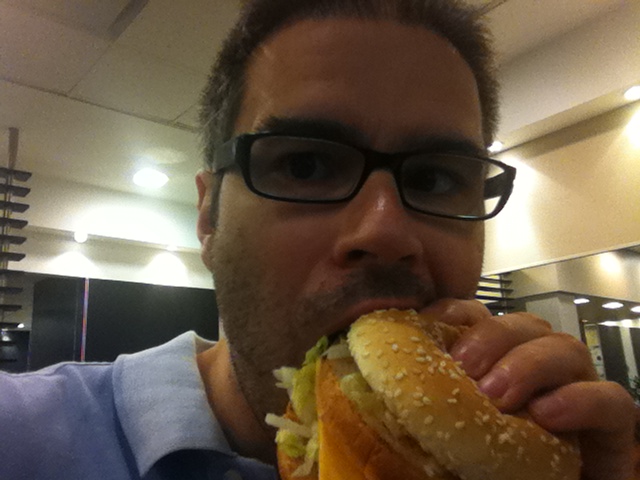
Und es gibt ihn doch: Selbstversuch 14.1.2013, 13.15h, MacDonalds-Filiale Ecke Florida und Peron, Preis 29 Peso, schmeckt wie üblich Sch…

Links:
http://www.economist.com/search/apachesolr_search/big%20mac%20index
http://latitude.blogs.nytimes.com/2011/11/24/argentinas-big-mac-attack/
http://www.wallstreetjournal.de/article/SB10001424127887323981504578177363471583792.html

Menos de 35 pesos por día

Posted by lightcyter on January 12, 2013
Posted in: Buenos Aires, Deutsch, English, Español. Leave a comment

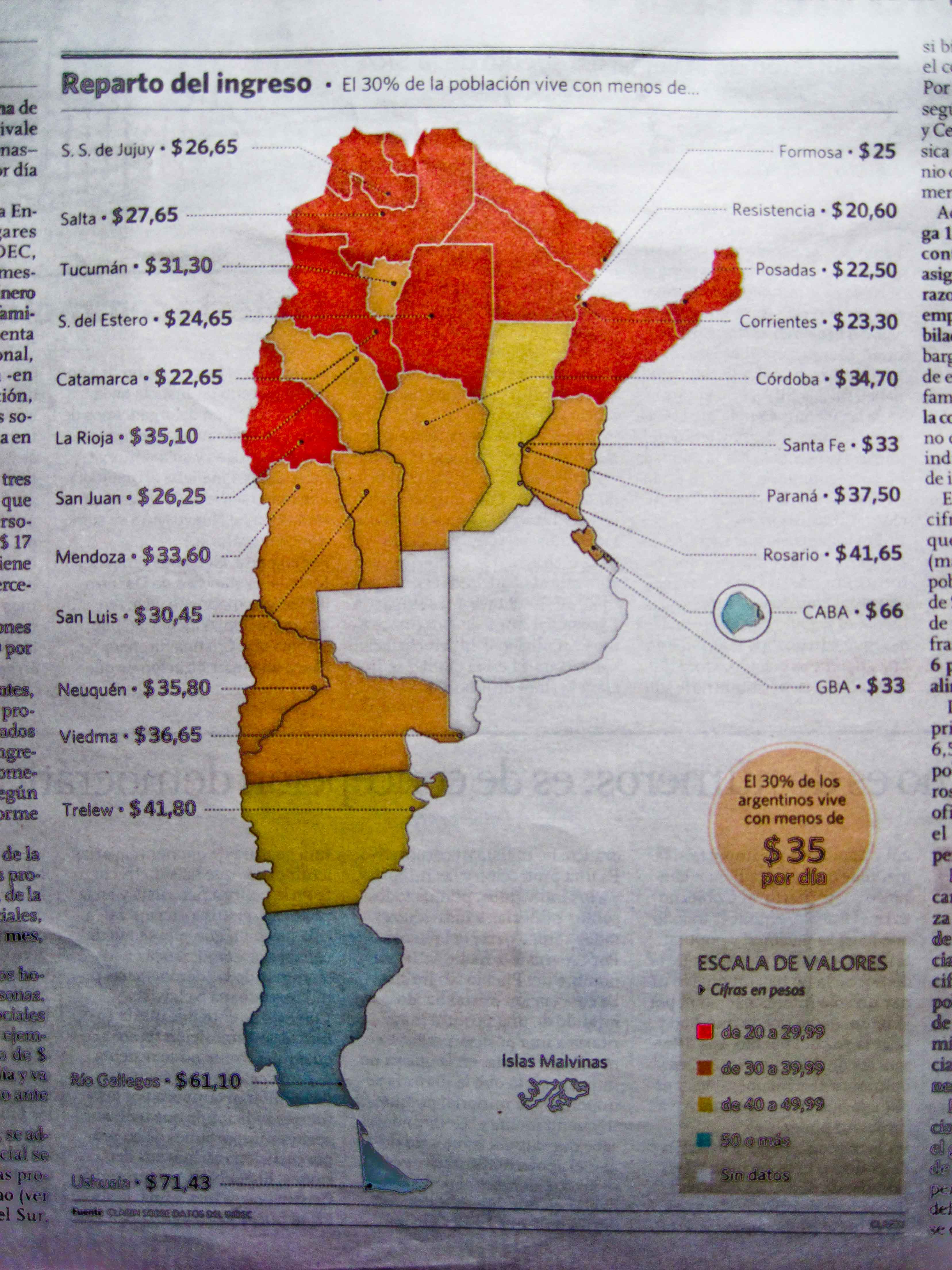
La imagen que está debajo es de un artículo que descubrí en el periódico ‚Clarín’ del 7 Enero. El artículo trata de la situacíon social y la diferencia de los ingresos argentinos. Dice que el 30 por ciento de la poblacíon no tiene tanto que 35 pesos argentinos por día para vivir. Son más de 11 millones de personas pobres. De este 30 por ciento, 10 por ciento o 3.7 milliones viven con menos que 17 pesos por día. Para entender la dimensión de estas cifras tienes que saber unos precios locales aproximados de Buenos Aires: Un litro de leche = 6.85 pesos, medio kílo de pan = 16.5 pesos, una docena de huevos = 15 pesos, 500 gramos de Spaguetti = 6.75 pesos, un kilo de tomates = 18 pesos, un kilo de bife de lomo = 49 pesos. Esta realidad contrasta un poco con las cifras oficiales: El gobierno argentino considera que una familia de 4 personas no es pobre si cada uno dispone de más de 13 pesos por día…
Para mi como extranjero es bastante difícil de estimar si estas cifras son correctas pero solo la dimensión es bastante aterradora también. Cuál es el porcentaje de nuestros salarios suizos necesario para comprar medio kílo de pan…¡pensalo!

ClarinImagen-1

Die Grafik oben stammt aus einem Artikel, den ich in der Tageszeitung ‘Clarin’ vom 7. Januar gefunden habe. Der Artikel handelt von der sozialen Situation und den Einkommensdifferenzen in Argentinien. Er besagt, dass 30 Prozent der Bevölkerung weniger als 35 Pesos pro Tag zum Leben zur Verfügung haben. Das sind mehr als 11 Millionen Personen, die in Armut leben. Von diesen 30 Prozent haben 10 Prozent oder 3.7 Millionen sogar weniger als 17 Pesos pro Tag zum Leben. Um die Dimension dieser Zahlen zu begreifen, müsst ihr ein paar lokale Preise aus Buenos Aires kennen: Ein Liter Milch = 6.85 Pesos, ein halbes Kilo Brot = 16.5 Pesos, ein Dutzend Eier = 15 Pesos, 500 Gramm Spaghetti = 6.75 Pesos, ein Kilo Tomaten = 18 Pesos, ein Kilo Fleisch (Filet) = 49 Pesos. Diese Realität widerspricht ein wenig den offiziellen Zahlen: Gemäss der argentinischen Regierung gilt eine Familie mit 4 Personen nicht als arm, wenn jede Person mindestens 13 Pesos pro Tag zur Verfügung hat…
Für mich als Ausländer ist es ziemlich schwierig einzuschätzen, ob diese Zahlen korrekt sind, aber nur schon deren Ausmass ist ziemlich erschreckend. Was ist schon wieder der Anteil unserer schweizerischen Saläre, der nötig ist, um ein halbes Kilo Brot zu kaufen…Denkt mal darüber nach!

The graph shown above is taken from an article which I’ve found in a newspaper called ‘Clarin’ (issue of 7th January). The article outlines the social situation and income differences of Argentina. Amongst others it says that 3o percent of the population has less than 35 pesos a day for disposal. That’s about an 11 million people living in poverty. Among those 30 percent, 10 percent or 3.7 millions have available even less than 17 pesos a day. To fully understand the dimension of these figures you have to know some local prices of Buenos Aires: One liter of milk = 6.85 pesos, a pound of bread = 16.5 pesos, a dozen of eggs = 15 pesos, 500 grams of Spaghetti = 6.75 pesos, one kilo of tomatos = 18 pesos, one kilo of meat (tenderloin)  = 49 pesos. This reality is in conflict quite a bit with the official figures: According to the Argentine government a family of four is not regarded as being poor if each person has 13 pesos a day for disposal…
For me being a foreigner to this country is hard to tell whether the above figures are fully correct or not but simply their dimension is quite frightening. What’s the percentage of our Swiss salaries necessary to buy half a kilo of bread…Think about it!

¡Gambio, gambio…!
– Offizieller Kurs CHF / ARS ca. 1 / 5
– Inoffizieller Kurs CHF / ARS ca. 1 / 6.5

Felices Fiestas – Abschalten auf der Estancia

Posted by lightcyter on December 29, 2012
Posted in: Buenos Aires, Deutsch, English. Leave a comment

Nachdem die vergangenen Wochen ausgefüllt waren mit intensivem Spanisch-Pauken haben wir uns über die Festtage eine Pause auf dem Land gegönnt und sind für 4 Tage auf eine Estancia etwa 120 km südlich von Buenos Aires gefahren – eine dringend nötige Auszeit von der Auszeit zum Abschalten vom Schulstress…! Die Bilder dazu findet ihr wie immer in der Gallery Argentina.

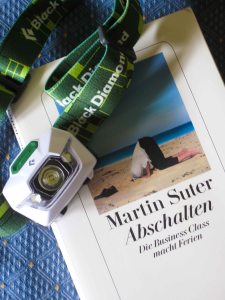
Das Wetter wechselt in der Region von BsAs meistens sehr schnell: Es kann drückend heiss sein und ein paar Minuten später regnet es wie aus Kübeln verbunden mit heftigem, sturmartigem Wind. So auch an Weihnachten in Chascomús: Nachdem wir um halb zwölf auf der Veranda noch gemütlich ein Glas Malbec geschlürft hatten, wechselte das Wetter beim Mitternachtsapéro kurz danach schlagartig auf Sturm – und das verheisst hier meistens nichts Gutes. Deshalb waren wir auch nicht wirklich überrascht, als wir wenige Minuten später plötzlich im Dunkeln vor unserem Panetone und dem Glas Champagner sassen. Vermutlich hatte ein umgestürzter Baum die Leitungen gekappt und auf der ganzen Estancia war der Strom ausgefallen. Kein Problem, denn nun kamen endlich doch noch Kerzen zu Einsatz; die hatten vorher für ein richtiges Weihnachten noch gefehlt! Zudem bin ich ja von meinen Freunden in der Schweiz mit einem 5000 Watt Scheinwerfer ausgerüstet worden: Die Black Diamond Stirnlampe war stark genug, um die halbe Estancia zu beleuchten… 🙂 🙂 🙂 .

Abschalten vom Schulstress

Abschalten vom Schulstress

After a couple of weeks filled with intensive Spanish classes we allowed ourselves a break in the countryside and drove to an estancia about 120 km south of Buenos Aires – an eagerly awaited break from the break to relax a bit from all this stress in school…! Pictures can be found as usual in the Gallery Argentina.

Weather conditions change very quickly in the BsAs area: One minute it is darned hot and a few minutes later it is raining buckets combined with heavy, stormy winds. And that is exactly what happened at Christmas in Chascomús: At half past eleven we had been sipping our glas of Malbec at the veranda in front of the building and a few minutes later while sitting inside at the midnight apero the weather changed to stormy conditions at an instance – and that’s up to no good usually. So, we were not really surprised to suddenly sit in the dark in front of our Panetone and glas of champagne a few minutes later. Probably a fallen tree had cut the wires and there was no light anywhere at the Estancia. No problem at all because now we could finally light the candles – something that had been missing for a real Christmas Eve so far! And after all I had been provided with a 5000 Watts spotlight by my Swiss friends: The Black Diamond headlight was good for illuminating half of the Estancia… 🙂 🙂 🙂 .

Zwischenbilanz / Mid-term review

Posted by lightcyter on December 24, 2012
Posted in: Uncategorized. 3 Comments

Nach 4 Wochen Spanisch-Unterricht gehören die raschen Anfangserfolge leider bereits einer fernen Vergangenheit an. Sie haben mittlerweile einer zumehmenden Konfusion  Platz gemacht: Presente, Pertérito Perfecto, Indefinido, Imperativo und Pretérito Imperfecto oder wie sie alle heissen, streiten sich in meinem Kopf um die Vorherrschaft der Verbendungen: Hablo, Hablado, Hablé, Hablá, Hablaba…BlahBlah? No blabla pero ‘ablá’ por favor…!

Aber damit geben sich die Españolos noch nicht zufrieden. Richtig Spass macht’s denen doch erst mit ein paar netten unregelmässigen Verben: Weshalb teno sagen wenn auch tengo geht und weshalb tenes wenn tienes doch viel schöner klingt – aber nur in Spanien, die Proteños hñren dann doch lieber ein klar betontes tenés. Ausser wenn ich’s bereits gemacht habe, denn dann soll ich tuve sagen (ohne Akzent bitteschön, nicht wie wenn ich’s bereits ge-habló-ed hätte was dann nämlich wiedrum ganz deutlich geohhht werden will…) Man hat’s nicht leicht….

Trotzdem oder vielleicht gerade deswegen: Es macht immer noch riesigen Spass. Und erste Erfolge stellen sich ein: Der Kaffee im Starbucks kommt jetzt richtig caliente und nicht mehr frió wie beim ersten mal und ich bin con pelo corto und nicht sin pelo aus der Peluqueria gekommen.

La clase de 2012 en Expanish. Quién es el profesor?

ClaseAtExpanish-2

After 4 weeks of Spanish lessons the small but quick initial victories are only memories now. They have been replaced by an increasing level of confusion: Presente, Pertérito Perfecto, Indefinido, Imperativo und Pretérito Imperfecto or whatever they are called fight for predominance of verb endings in my head: Hablo, Hablado, Hablé, Hablá, Hablaba…BlahBlah? No blabla pero ‘ablá’ por favor…!

But that’s still not enough for los Españolos. The real fun has not even begun before you don’t use a bunch of nice irregular verbs: Why call it teno if  tengo is also possible and why tenes if tienes sounds so much nicer – but only in Spain please, los Proteños prefer a clearly pronounced tenés. But when I’ve already done anything I’m supposed to say tuve (without accent please, not as if I’ve already s-habló-d it because in that case you have to ooohhh it very clearly…). Life isn’t easy…

Anyway, it’s still great fun. And there are in fact some successes: El café at Starbucks is caliente now and not frio anyloner and after my visit to the peluquería I have pelo corto and not nada pelo. BTW: Sorry for the terrible English translation but Spanish requires all disk space in my head now and so I had to delete some of my English vocabulary…

Arriba las manos – un cuento argentino

Posted by lightcyter on December 17, 2012
Posted in: Buenos Aires, Deutsch, English, Español. Leave a comment

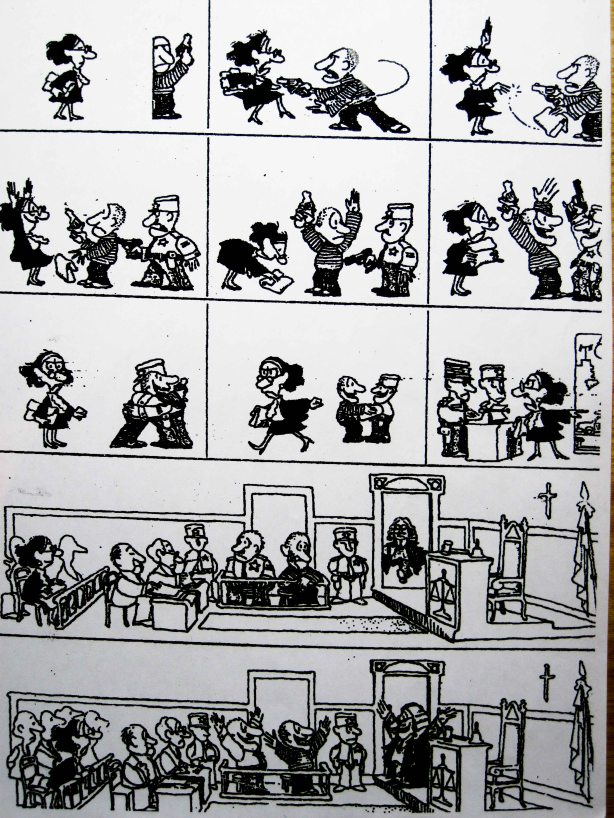
Una chica camina en una calle para la escuela de idiomas. En una esquina oscura un ladrón con una pistola se esconde. Cuándo la chica gira, el ladrón grita: ¡Alto, tus dineros o tu vida! La chica se acusta pero en este momento un agente de policía llega y grita: ¡Alto, tu pistola o tu vida! El ladrón se acusta por un momento pero después reconoce qué el agente es un viejo amigo. Los dos se abrazan y no más consideran la chica. Este porque la chica corre a la estación de policía para quejarse de los dos compañeros. Por desgracia el juez es también un amigo del ladrón y del agente de policía… Esta es la vida!

cuentoargentino

Das Märchen übersetze ich euch nicht – ich denke der Comic spricht für sich…Der Hintergrund der Geschichte ist folgender: Im Zentrum von Buenos Aires findet täglich ein lustiges Katz-und-Maus-Spiel zwischen Taschendieben und Touristen statt. Allein in der letzten Woche sind vier Mitstudenten ihre Rucksäcke losgeworden bzw. konnten den Versuch dazu gerade noch vereinteln. Dazu kommt ein Lehrer und die Porteños im Starbucks am Tisch hinter mir – macht dann insgesamt sechs in einer Woche! Am besten man sieht die Sache sportlich: Bis jetzt habe ich noch jede Runde gewonnen aber wer weiss wie’s weitergeht – irgendwann wird’s auch mich erwischen. Vermutlich mache ich’s nun wie die Turista, die ich in meiner ersten Woche in BsAs in der Fussgängerzone getroffen habe: Sie hatte eine Kopie eines 100 Peso-Scheines gut sichtbar hinten an ihrem Rucksack befestigt…Quasi die moderne Form des Fliegenfischens und genau meine Art von Humor…;-)

I don’t translate the fairy tale – I guess the idea of the story is obvious…The motivation for publishing this comic is as follows: In the centre of Buenos Aires a funny cat-and-mouse game between pickpockets and tourists takes place on a daily basis. Only last week four of my fellow students got rid of their backpacks or could avoid to get rid of them. Add one teacher and the Porteños at the table behind me at Starbucks and a you get six a week! It’s best to show good sportsmanship: So far I have won each round but of course you never know what happens next – one day I might loose, too. I tend towards copying the turista I met my first week in BsAs: She had a photocopy of a 100 pesos bill attached to the back of her backpack clearly visible to any pickpocket…the modern way of fly-fishing and exactly the kind of humor I prefer…;-)

Photo Gallerie

Posted by lightcyter on December 17, 2012
Posted in: Buenos Aires, Deutsch, English, Uncategorized. Leave a comment

Neue Photos von meiner Reise findet ihr ab sofort oben unter dem Menu ‘Gallery Argentina’. Für’s Erste habe ich mal  Photos eines Rundgangs durch Belgrano hochgeladen (die Gegend, in der ich residiere). Viel Spass!
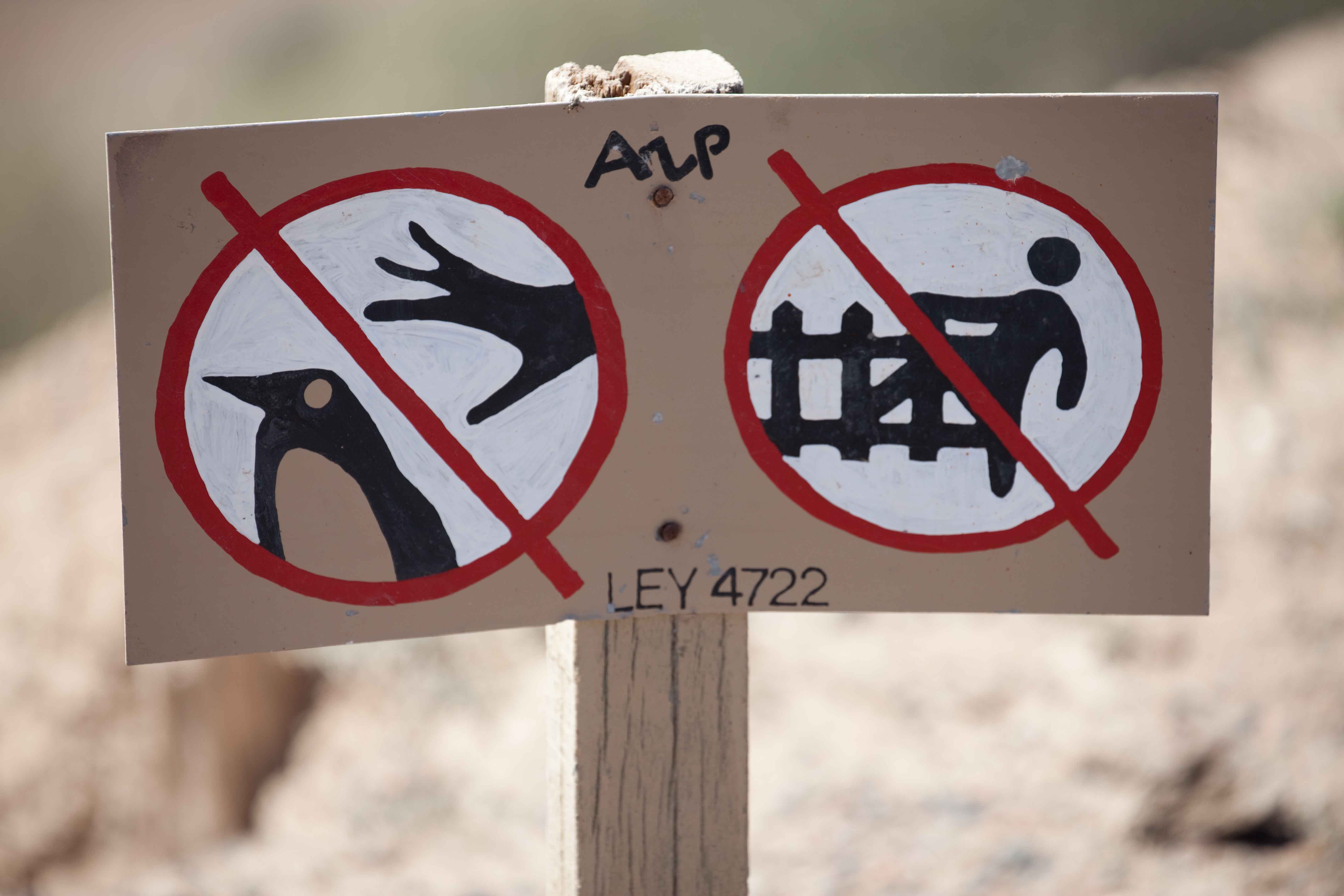
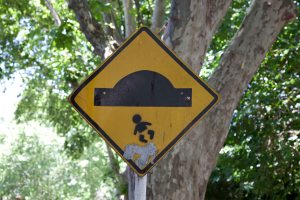
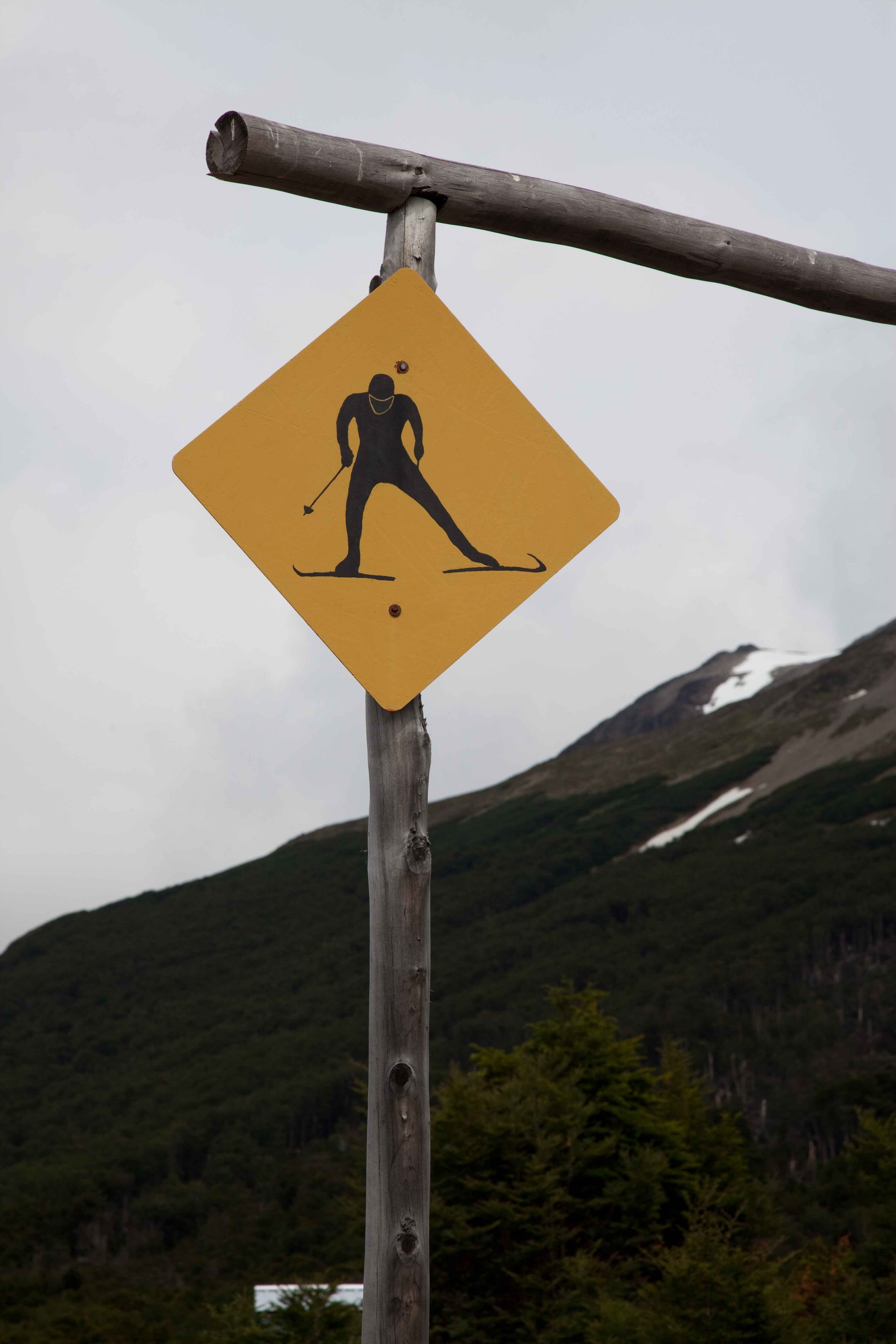
Übrigens: Das folgende Schild steht in der Mendoza nahe meiner Wohnung. Vielleicht weiss ja jemand von euch was es bedeuten könnte? Meine Idee wäre “Achtung Bodenwelle – langsam fahren sonst hüpft das Baby im Auto”…

New pictures of my journey can be found in the above menu ‘Gallery Argentina’. For a start I’ve posted pictures of a quick stroll in Belgrano (the area where I stay). Have fun!
BTW: I’ve found the following sign near my apartment in Mendoza St. Maybe one of you knows its true meaning. My idea is “Beware of the bumps – drive carefully or the baby in your car jumps”…

Sign-1

Posts navigation

← Older Entries
Newer Entries →
  • Recent Posts

    • I nime no e Campari Soda…
    • Sydney – What else?
    • A different perspective
    • Wooooooowww!!!!
    • About not having crossed the Tongariro
  • Archives

    • May 2013
    • April 2013
    • March 2013
    • February 2013
    • January 2013
    • December 2012
    • November 2012
  • Categories

    • Argentina
    • Australia
    • Buenos Aires
    • Chile
    • Deutsch
    • English
    • Español
    • New Zealand
    • Sydney
    • Uncategorized
  • Meta

    • Create account
    • Log in
    • Entries feed
    • Comments feed
    • WordPress.com
Create a free website or blog at WordPress.com.
Catch The Trade Winds
Create a free website or blog at WordPress.com.
Privacy & Cookies: This site uses cookies. By continuing to use this website, you agree to their use.
To find out more, including how to control cookies, see here: Cookie Policy
  • Subscribe Subscribed
    • Catch The Trade Winds
    • Already have a WordPress.com account? Log in now.
    • Catch The Trade Winds
    • Subscribe Subscribed
    • Sign up
    • Log in
    • Report this content
    • View site in Reader
    • Manage subscriptions
    • Collapse this bar
 

Loading Comments...